

Fellow Pilgrims, First of all, in the tradition of twitter, I would like to ask, “what are you doing?” I don't expect you to answer this in 140 characters or less, but that question can very well be the starting point of everything there is to know about life and your place in this universe.
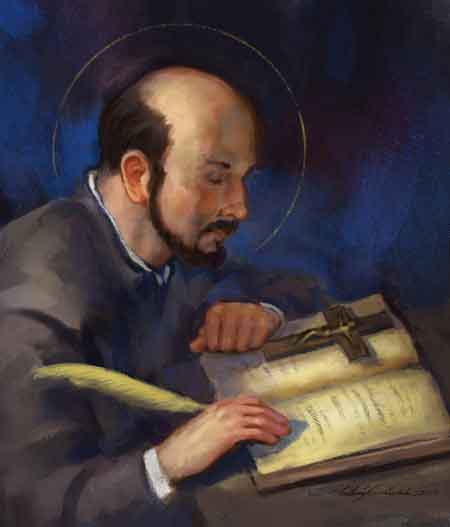
A Friend
As a cradle Catholic, I grew up thinking that the saints were as real as my friends. Only, they had more power—although not quite dressed as fashionably as the Super Friends. Aside from my family, they were the constant in my life. And I don’t just mean in a spiritual abstract way. I mean, their photos and statues were in all the places I spent most of my time. They were there in our house. In my grandmother’s house. My aunt’s house, where I spent summer vacation. At church. In school. They’d even be at the department store—even if they were there for different reasons. They were always the same. Always in the same pose. Always dressed in the same way. Always with a halo.
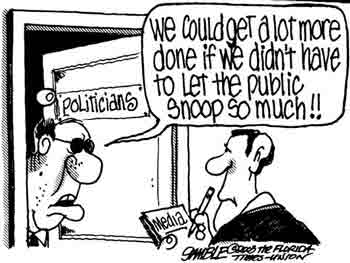
The Real Work Begins: Skills Needed to Run Government
When the stress of the campaign, the media circus, the awkward dancing, starlets and comedians fed to bored men and women, and the results of the elections are out (we had the first ever digital/automated elections a year ago and this will help cut down on the stress of having to wait for the election results for months and months on end as well as the potential election protests that stretch for years), and someone is declared winner, the real work of governing begins.
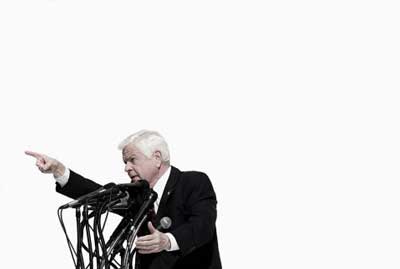
Philippine Political Skill Sets: Or Why We Vote the Wrong Persons to Power
Years ago, when I was in high school, I was one of the winners in a writing contest sponsored by the Department of Trade and Industry. During the awards ceremonies, I was congratulated by the DTI Secretary named Gloria Macapagal Arroyo.

What is Your Lampstand?
“…When the light comes, is it to be put under a tub or a bed? Surely, it is put on a lampstand…” (Mark 4:21) “There are so many ads of apartments up for lease…” I uttered as my wife and I drove by the curve. Jeng smiled, “I think you just notice them now because we are thinking of investing in real estate.”
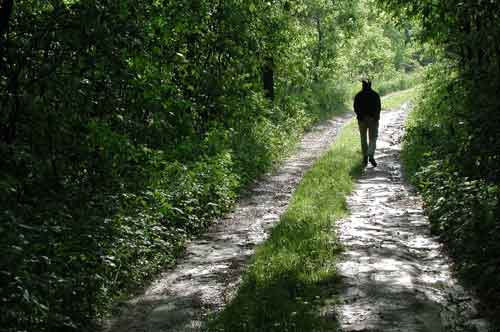
Single Blessedness
When I became a teacher, I learned the hard way that my private life and public life didn’t really exist. There was just, my life. And all of it was for public consumption. My students didn’t really care that I could have a professional life and personal life. They asked me whatever question they could think of. And those that I didn’t answer, they just filled in with rumors.
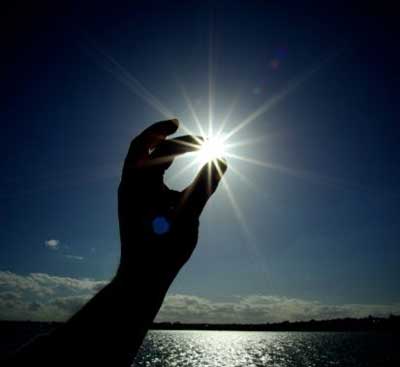
On Gratitude and Hope
There is a blessed word in Greek which continues to escape any adequate translation in English. Anamnesis is almost synonymous to remembrance or calling to mind but both fail to render justice to the reality which anamnesis signifies. In liturgical parlance, it means much more than psychological recall. Anamnesis connotes making present in the ‘now’ that which is being recalled from the ‘past’. Such is how we speak of the sacraments, especially the Eucharist, as the making present of Christ himself, and his words and actions, making possible the communication of grace to us.
 prayersofapilgrim.com